
Hoosier Voices Belong in the Room
Indiana’s Open Door Law was meant to protect transparency. It ensures that public meetings are open so people can observe their government at work. But too often, that is where participation ends.
You can attend.
You can sit quietly.
You can watch decisions being made about your life.
And if you want to speak, you are told it is a courtesy, not a right.
That is backwards.
Under current Indiana law, public bodies are generally not required to allow public comment at meetings unless another statute specifically requires it. In practice, this has created a culture where some officials treat Hoosier voters as spectators rather than participants.
I reject that entirely.
No Taxation Without Representation Means No Silence
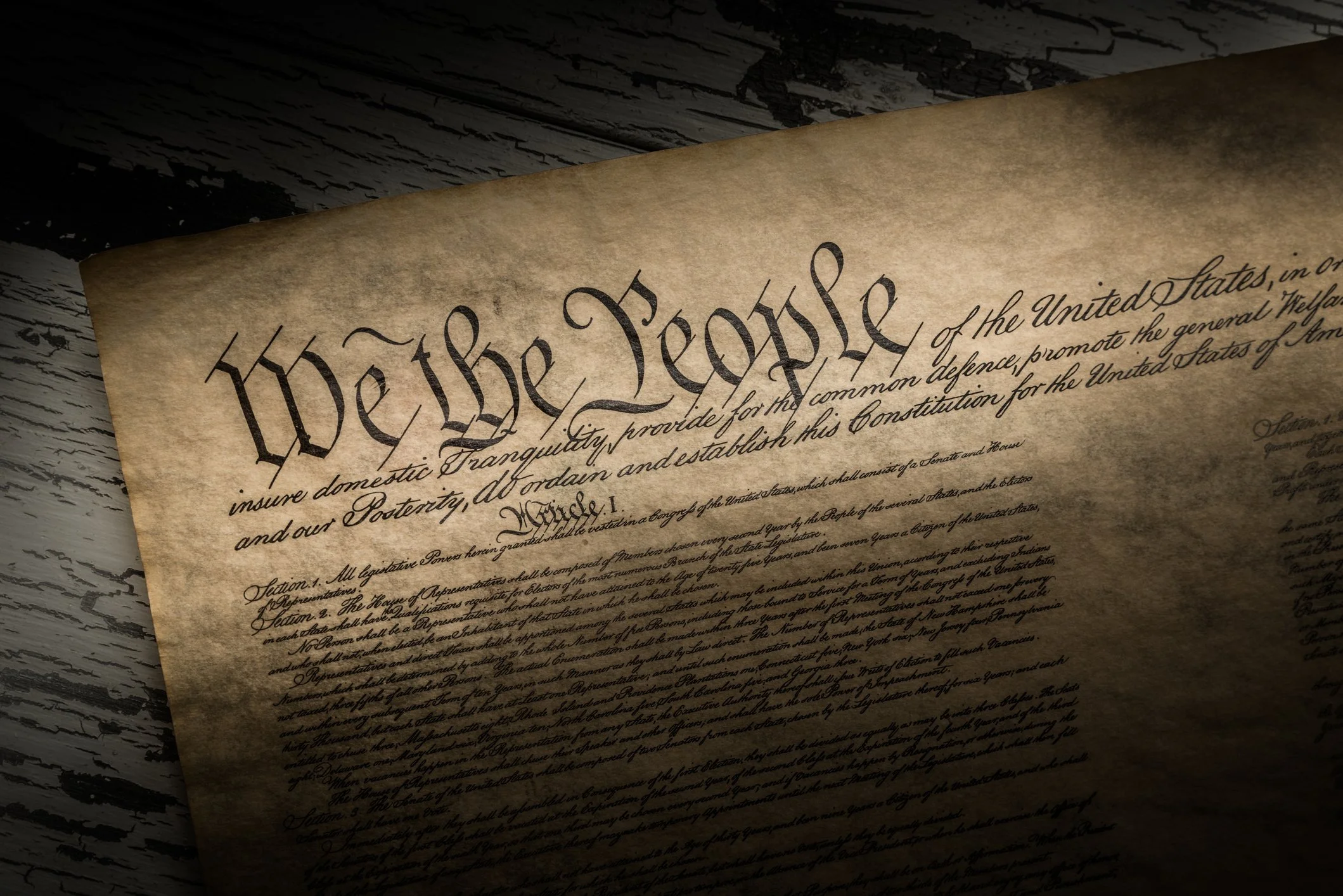
We do not send our tax dollars to government only to be told to sit down and be quiet while decisions are made. No taxation without representation is not a historical slogan. It is a living principle. Representation does not end on Election Day. Our nation was founded on a simple truth, written plainly in the Constitution’s opening words.
We the People.
Government exists to serve the people, not manage them.
And just because we elect someone does not mean they will always act in the will of the people. Elected officials can trample voters rights just as easily as any tyrant can. That is exactly why the people must always have a voice when laws are written and decisions are made.
The Problem With the Current Law
Indiana’s Open Door Law guarantees access to meetings, but it does not guarantee a right to speak at most of them. That gap has allowed public comment to be treated as a privilege granted by officials instead of a right held by the people.
When officials can decide whether you are allowed to speak, accountability disappears. Transparency without voice is not democracy. It is observation without power.
My Plan to Amend Indiana’s Open Door Law
I will fight to amend Indiana law to guarantee public comment at any meeting where a governing body takes official action.
That includes votes on ordinances, resolutions, budgets, contracts, zoning decisions, rate changes, and policies that affect daily life.
This reform is simple and reasonable.
First, the people have a right to speak.
Public comment must be provided at meetings where public business is conducted, except for executive sessions already protected by law.
Second, the right must be meaningful.
Officials may set reasonable rules for time and decorum, but those rules cannot be used to silence criticism or avoid accountability.
Third, comment must happen before decisions are final.
Public input after a vote is not representation. It is theater.
Fourth, access must be real.
When meetings are recorded or streamed, public comment must be accessible in a way that reflects how the meeting is held.
Let’s Be Clear
You work.
You pay taxes.
You live with the consequences of these decisions.
You do not need permission to speak in your own government.
Public comment is not a favor.
It is not a courtesy.
It is a right.
What This Means in Real Life
It means parents can speak before school boards vote on policies that affect their children.
It means neighborhoods can be heard before zoning decisions reshape their streets.
It means seniors can speak before budgets cut services they rely on.
It means working people can speak before contracts and tax deals are handed to powerful interests.
It means elected officials must look the people in the eye before they vote.
This Is How We Take Our Government Back
A government that does not listen stops being representative.
I am running to build a government that listens, because Hoosiers deserve more than silent observation. The people have the right to be heard whenever officials convene to make decisions that affect our lives.
No taxation without representation.
No government without public voice.
We the People means the people.